
You may have heard of ORP or the redox potential of water.
These two terms are actually interchangeable and mean the same thing.
ORP is the same as redox potential.
ORP or, Oxidation-Reduction Potential, also known as Redox Potential, is to be thought of as the measure of ability to transfer electrons rather than the absolute concentration of electrons in solution.
Encyclopedia Britannica – Oxidation Reduction Reaction
Oxidation reduction potential is measured on a voltage scale in the range of millivolts when it comes to its measurement in water.
In short, oxidation is the process by which a molecule or atom gives up one of its electrons and reduction is the corresponding action by which the other molecule or atom acquires the electron which has been given up.
The redox reaction is a single process, you can’t have oxidation without reduction, and you can’t have reduction without oxidation.
Let’s break down ORP into its two components,
- Oxidation
- Reduction
Read on below to What is Oxidation, & What is Reduction.
What is Oxidation?
You may have heard of the detrimental effects of oxidation on the cells of your body and the benefits of consuming antioxidants to mitigate these effects.
Oxidation occurs when a substance gives up an electron instead of gaining an electron.
In other words the molecule or atom being oxidized has a net positive increase in charge (loss of negative electron charge).
An increase in positive charges sounds good doesn’t it!?
The caveat in this phrase “net positive charge increase”, is that when it comes to a positive charge on a molecule or atom, this means that the molecule or atom is missing something.
It is missing the electron (or negative charge) required to be in balance, or to have a net neutral charge overall.
A net neutral charge is desirable for the molecule to be in complete balance and not contribute to the degradation of cells in an organism.
These molecules and atoms which are missing the electron they need to be neutral and in-balance are called radicals, or free radicals.
Encyclopedia Britannica – Radical Chemistry
The prevalence of free radicals can lead to chain reactions damaging the cells of organisms including humans. This is effectively the time effect in humans and why our bodies and skin look the way they do as we age, due to the cumulative effects of oxidation over the years.
Encyclopedia Britannica – Aging Life Process
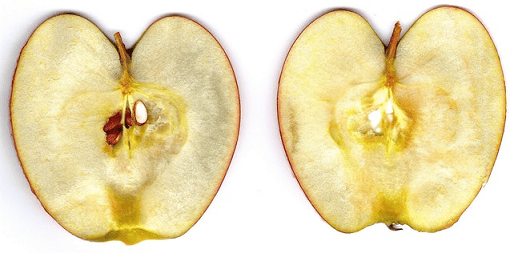
An excellent visualization of the effects of oxidation can be seen with the example of a sliced apple after it has been sitting out in the air for some time allowing the exposed surfaces to oxidize with the oxygen in the air.
Oxidized Apple Slices
It is interesting to note, that while free radicals have this detrimental effect on organisms and the human body, there is a balance between them and their counterparts, anti-oxidants, required for life to function.
Free radicals are actually needed by the body to fight disease and infection.
This is also why most city water sources are in the positive ORP or oxidative range, because the city is required to deliver “clean” water and water in the oxidative ORP range will pull electrons from the cell walls of microbes effectively leading to their rapid death on a microbial scale.
Although free radicals are needed by the body, because of the typical lifestyle, water quality (positive ORP water), and foods we consume on a daily basis the human body can be operating in a state of “oxidative stress”.
“Oxidative stress” is an imbalance between the free radicals and antioxidants in the body.
Typical factors contributing to oxidative stress are numerous and far ranging:
- Air pollution
- High blood sugar
- Alcohol
- Cigarette smoke
- Toxins
- High polyunsaturated fatty acid consumption
- Antioxidant deficiency
These are among many other contributing factors and the bullets above are by no means an encompassing list.
To reduce our risk of oxidative stress & accelerated aging we can bring balance back by consuming enough antioxidants regularly, read on below about reduction to learn more.
What is Reduction?
The term “antioxidant” has almost been taken on in today’s day and age to the point which it should be considered as a buzzword.
You’ve probably also heard at length regarding the benefits of antioxidants.
But what does an antioxidant really do?
Describing what an antioxidant actually does is where the term reduction comes into play.
Reduction is effectively the opposite of oxidation, as described in the section above.
Reduction is the “giving up” of a negative electron charge from one molecule or atom to another. It is called reducing because this leads to a net decrease of the overall charge of the other molecule or atom.
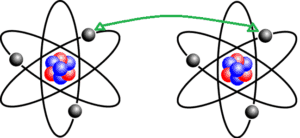

A net decrease of the overall charge of a molecule or atom by way of the language we use to describe it, tends to sound like, and give the process a negative connotation.
This process however is natural and the important point to not overlook is that the net decrease in the overall charge of a molecule is actually bringing that molecule into neutrality or balance.
This neutrality and balance in charge of molecules is what our body fights to maintain for our cells, to keep them healthy and keep us younger. PubMed
PubMed – Antioxidants in Human Health & Disease
Having enough antioxidants in our bodies allows them to “neutralize” the excess free radicals and to maintain a healthy balance between the free radicals required for life and antioxidants, keeping our bodies away from levels which would induce “oxidative stress”.
Where can we find antioxidants to help our bodies maintain a healthy balance?
There are numerous sources for antioxidants in healthy foods as well as one which people tend to overlook, the water we drink.
Food groups which contribute to the antioxidants in our bodies:
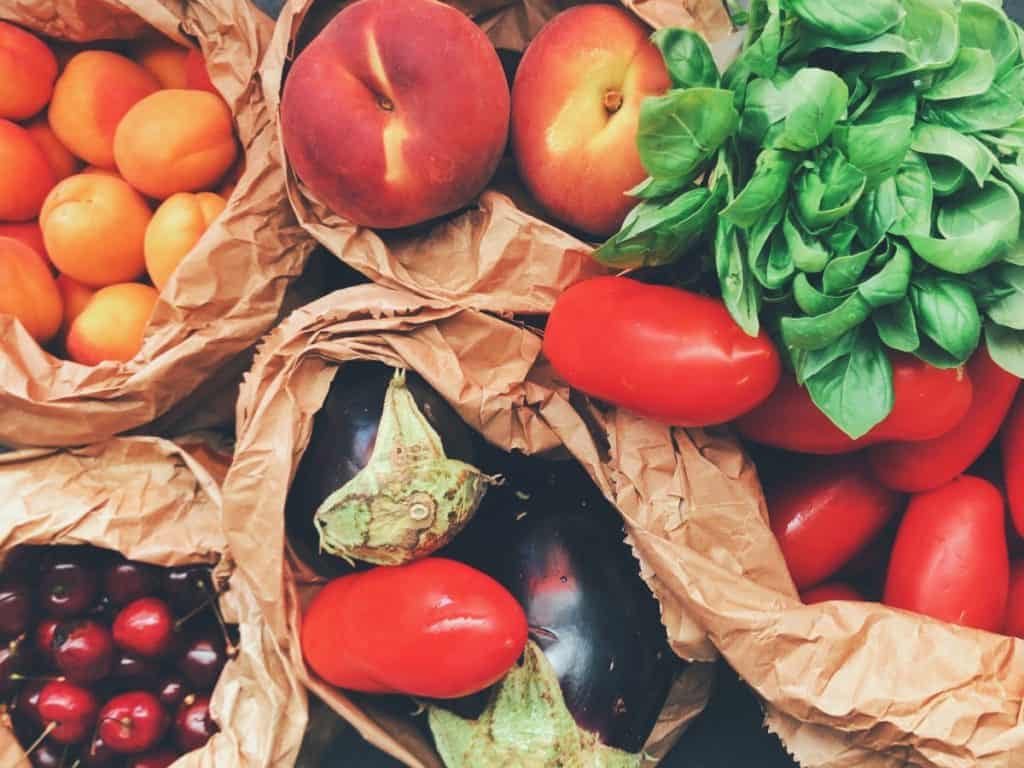
- Most abundant in fresh fruit
- Most abundant in fresh vegetables
- Also found in
- Nuts
- Whole grains
- Found in some certain
- Meats
- Poultry
- Fish
Up to 60% of the human body is comprised of water, miraculous when you think about it.
Now consider how much water the regular person consumes on average in comparison to how much coffee, soft drinks, alcohol, juice and other fluids we consume.
Lack of water consumption is a major overlooked factor when it comes to health and disease prevention.
USGS Water Science School – Water What We Need to Survive
Will all water including tap water contribute to antioxidants in the body?
No not all water will contribute to antioxidants in your body.
In fact, some water will actually contribute the opposite, most water will contribute oxidizing free radicals to your body.
How can I tell if my water is an antioxidant, or if it is oxidizing with free radicals?
This brings us back to the topic of this page, ORP also known as redox potential.
The first important thing to note, is that not all alkaline water is an antioxidant with a negative ORP value.
However all antioxidant water with a negative ORP is alkaline by virtue of its ionic properties.
ORP as explained above is the measure of a water’s potential to either give up or contribute electrons, or take away or acquire said electron.
Electrons are present in everything, they surround atoms which are the building blocks of molecules which are the building blocks of life and everything in the physical world.
Being able to measure the ORP of the water will lead us to determine whether the water in question is an antioxidant or oxidizing.
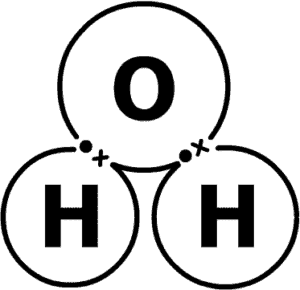
How to Measure ORP Redox Potential
Electrons are also what creates electricity.
Electricity is the transfer of electrons from one atom, to the next atom, to the next, to the next and so on, creating an electrical “current”.
“Voltage” is the measure of the potential, or strength, of electricity.
It is a measure of how many electrons are ready to travel in an electrical “current” or the concentration of electrons ready to travel in a current.
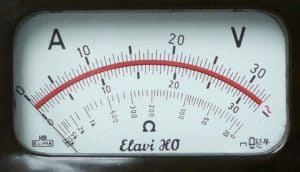
Because ORP is the measure of the water’s potential to either contribute or take away electrons it is measured in voltage just like electricity.
What ORP is really measuring is the concentration of OH- hydroxide negatively charged ions in the water.
This is as opposed to other bicarbonates which may contribute to alkalinity of the water but do not contribute to negative ORP.
A Positive ORP Value
A positive ORP value indicates that the water is full of free radicals and will take away electrons.

Positive "Plus" Sign
A Negative ORP Value
A negative ORP value indicates that the water is full of antioxidants and will contribute electrons.

Negative "Minus" Sign
Recommended ORP Value Level
We would recommend finding water that has an ORP value of -100mV to -500mV.
This is because a significant increase in negativity of ORP up to -700mV, -900mV and beyond has not been shown to make a discernible difference in the balancing of our bodies.
Most tap water is delivered to our homes with a positive ORP value, this is to ensure that the water is free of harmful bacteria and other microbes, as the positive ORP will oxidize the walls of the cells of bacteria, tearing them and leading to rapid death of the bacteria.
Drinking this tap water is “safe”, however it contributes additional free radicals to our bodies which is simply unnecessary with the levels we are regularly exposed to.
When it comes to water we want to source out safe water with a negative ORP whenever possible to ensure we consume enough antioxidants to balance the free radicals.
Once we know water is safe to drink, it can then be conditioned to be as it is found in nature, to have a negative ORP value which will contribute to the antioxidants in our bodies.
.jpg)
To see how to make negative ORP alkaline water see our page here.
It’s important to remember that just because water is alkaline, does not ensure that it has a negative ORP value.
Many alkaline water filters while increasing alkalinity of the water will not contribute to a negative ORP and the ORP will remain positive & unchanged from the input water.
There are products available today which condition water to be alkaline and with a negative ORP.
Not all are produced to the same safety standards and quality, and they will use different methods to condition the water as well.
To see a comparison see our product comparison table page here (coming soon).
Further Reading & Information
There are many excellent articles & studies on the PubMed website regarding the importance of antioxidants and their balance with free radicals in the body.
We’ve linked to a couple of articles here which aided in the writing of our page for your convenience in further reading on the topics.
PubMed – Free Radicals, Antioxidants, in Disease and Health
PubMed – Are antioxidants helpful for disease prevention?